ARCH 602 STUDIO
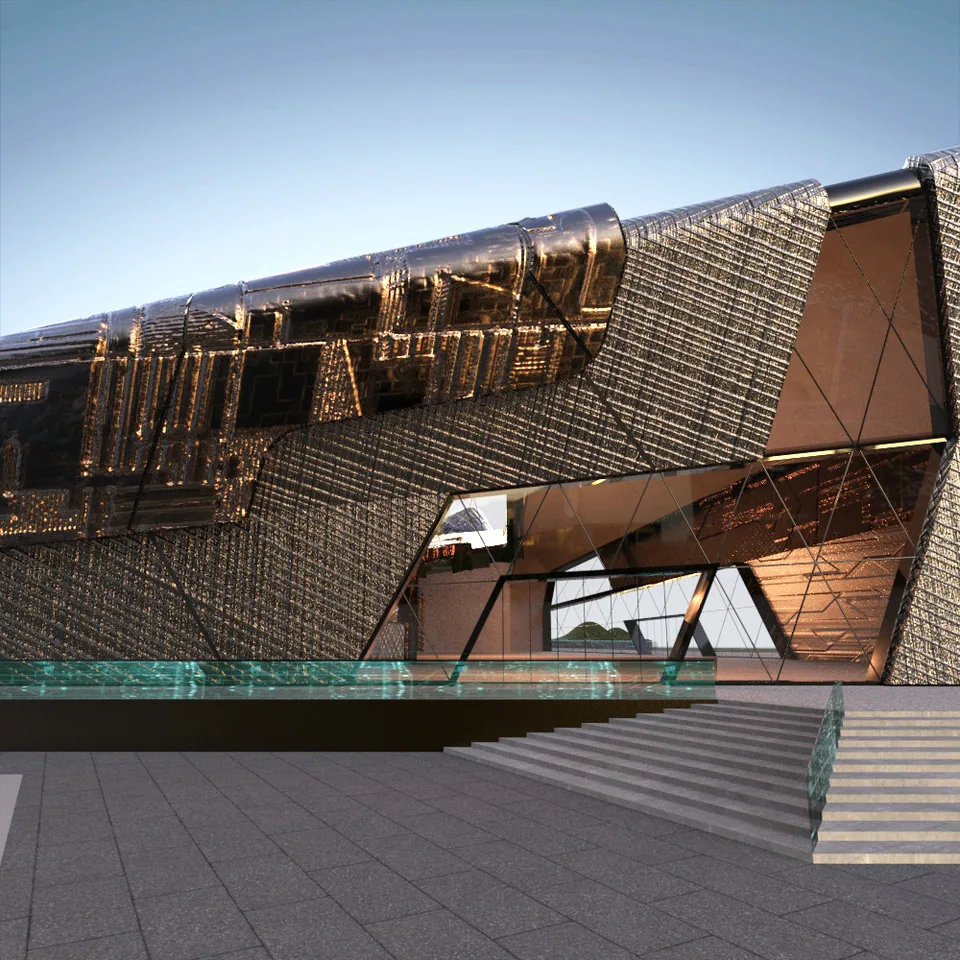
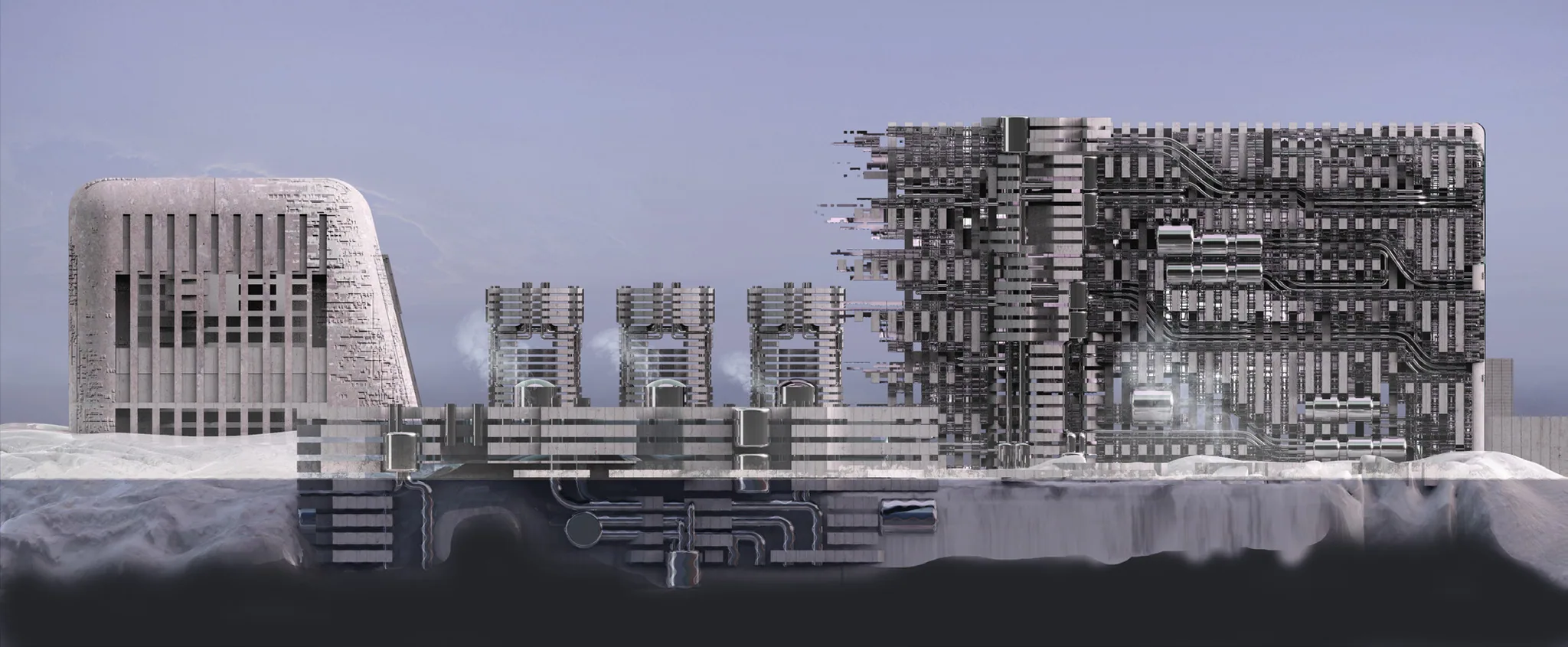
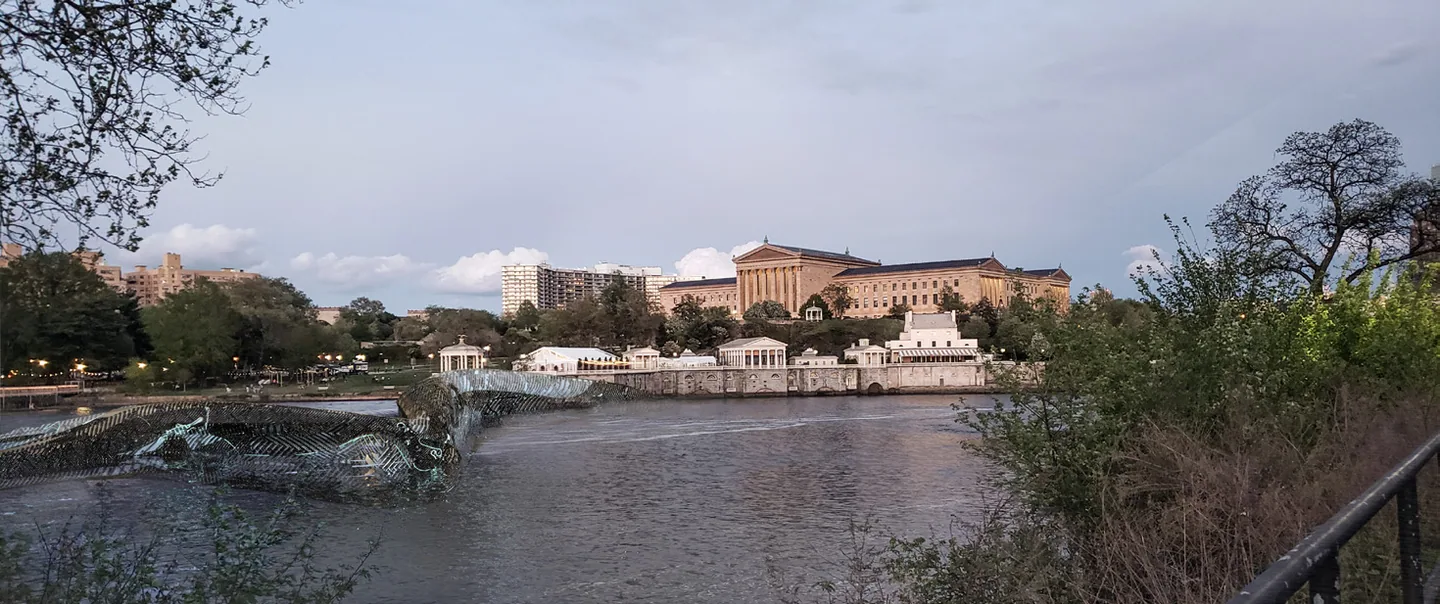
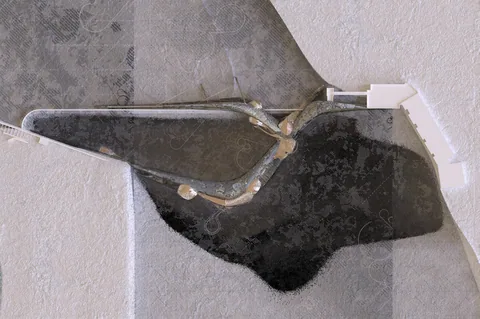
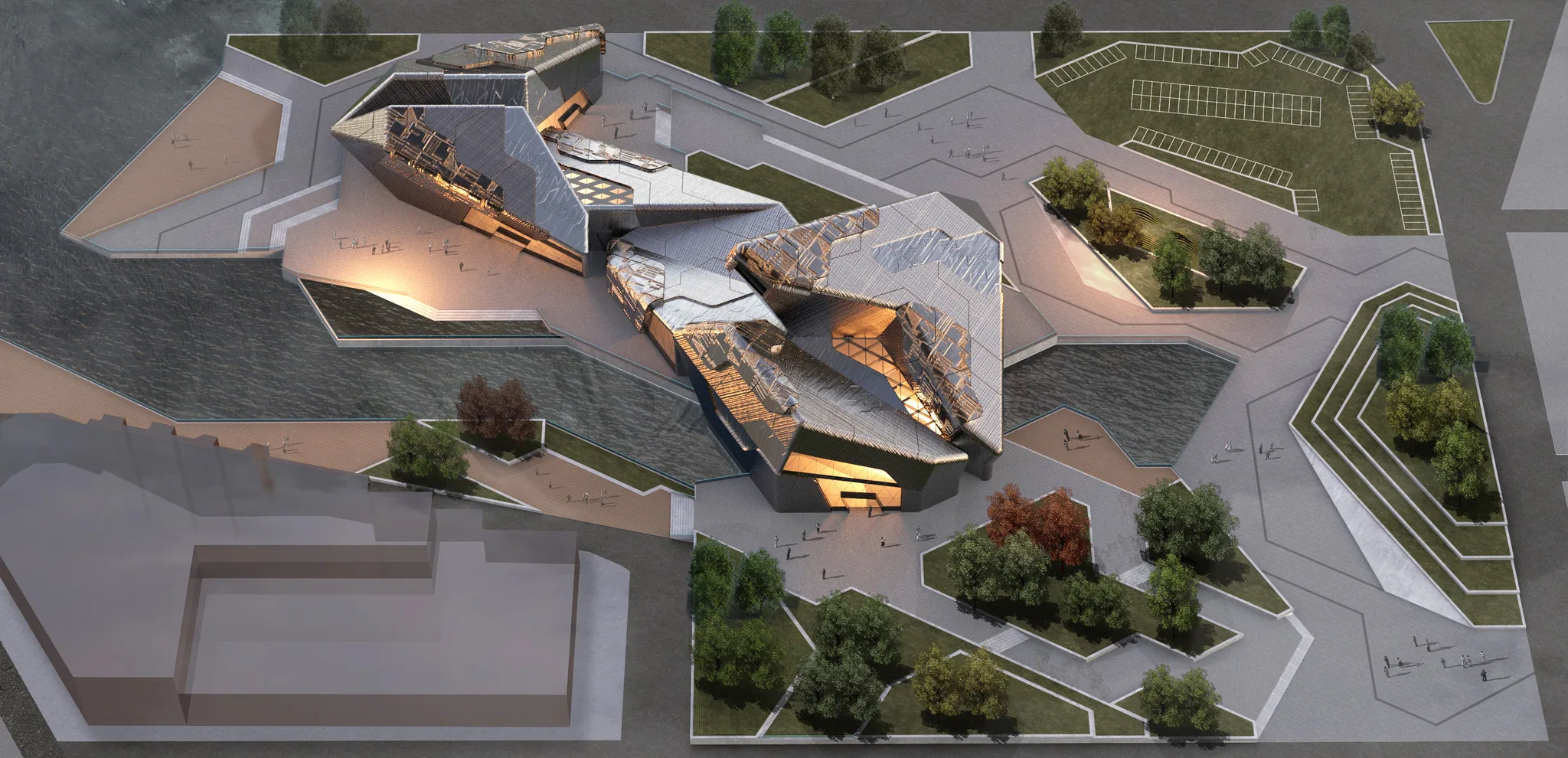
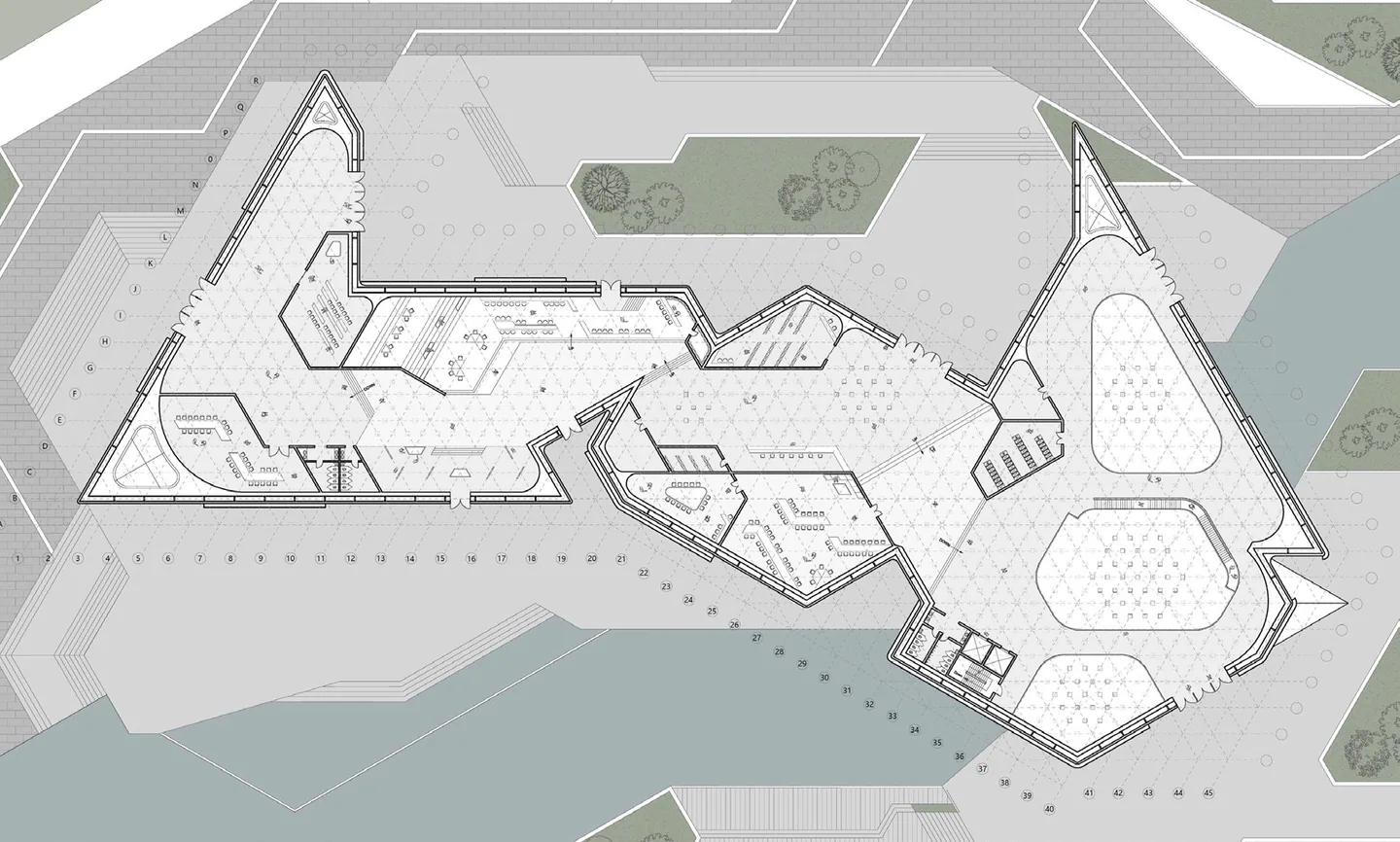
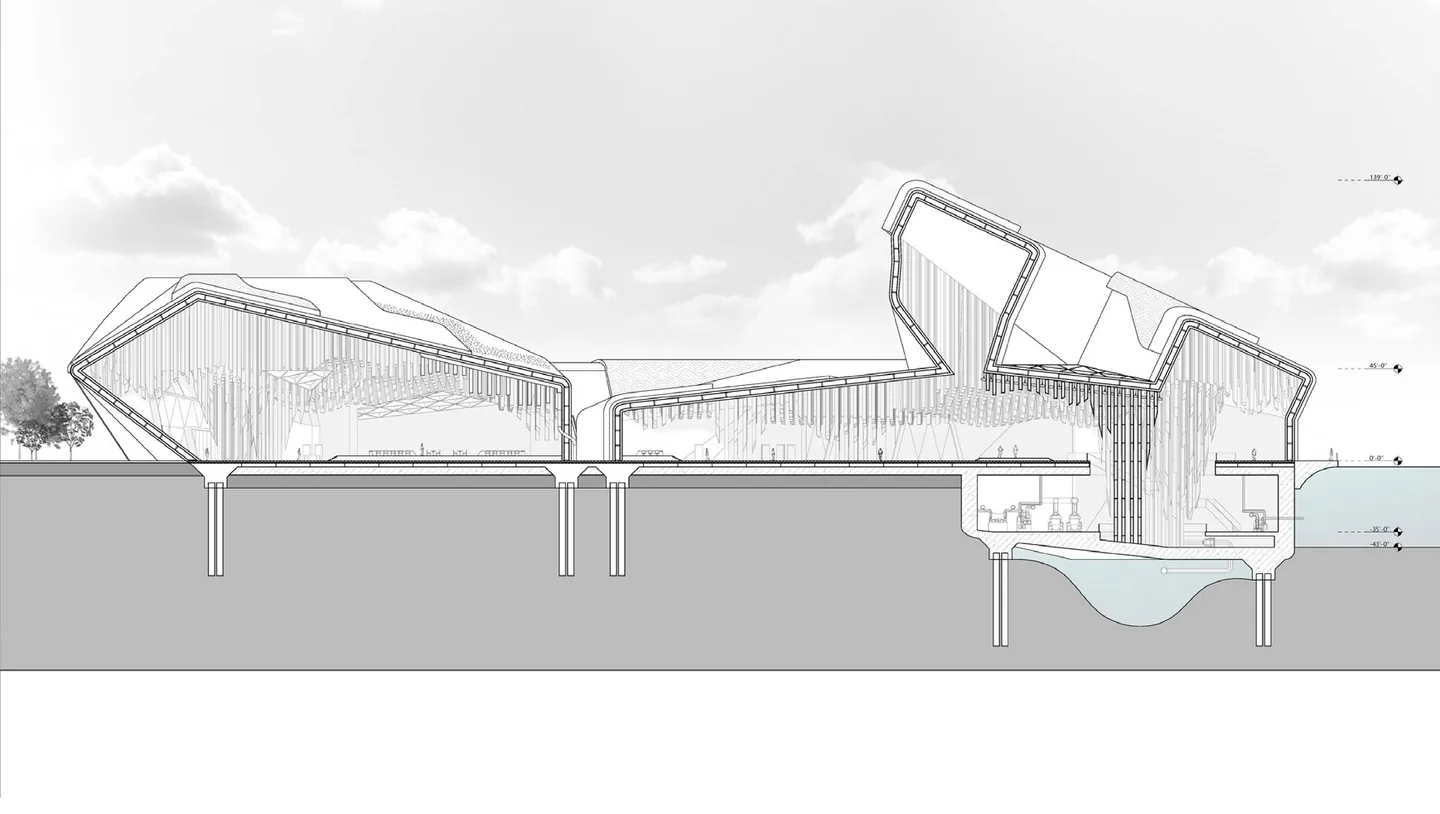
A core graduate studio that takes the cenotaph - monolithic, ancient, a vessel of void - as the point of departure for a data centre and museum, asking what architecture becomes when computation is treated as omnipresent rather than merely digital.
- Client
- UPenn Weitzman School of Design
- Year
- 2014-2025
- Location
- Philadelphia
- Role
- Instructor
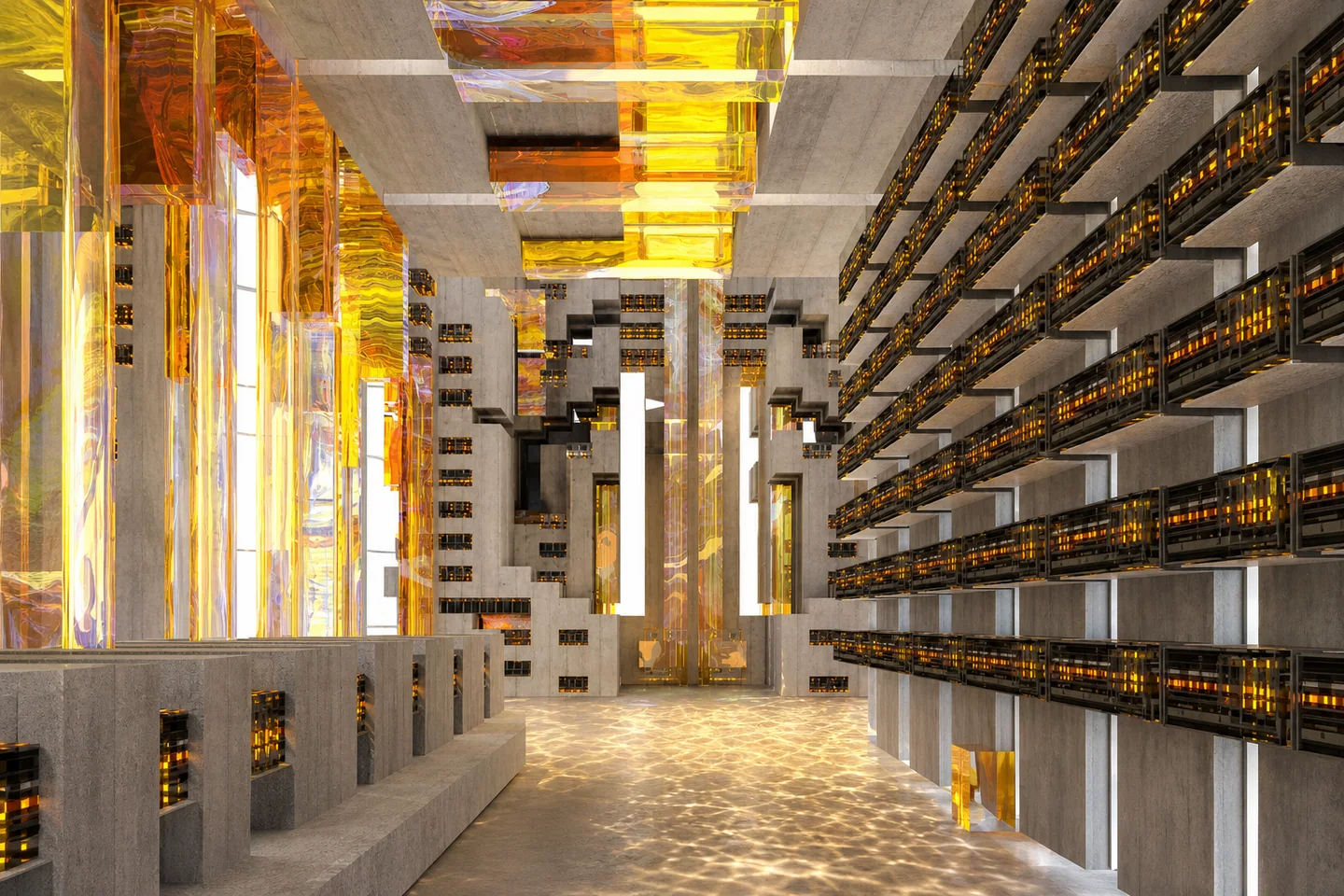
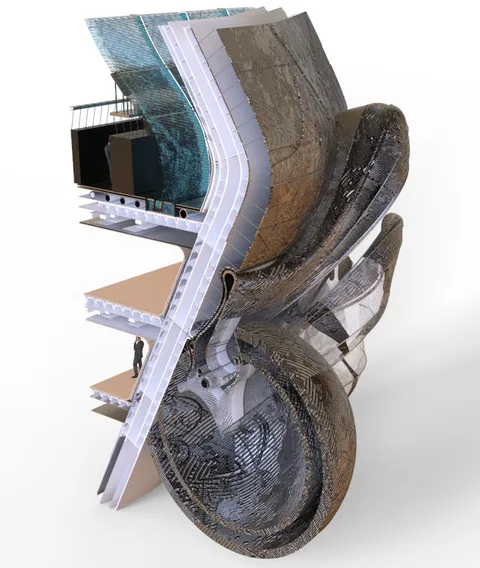
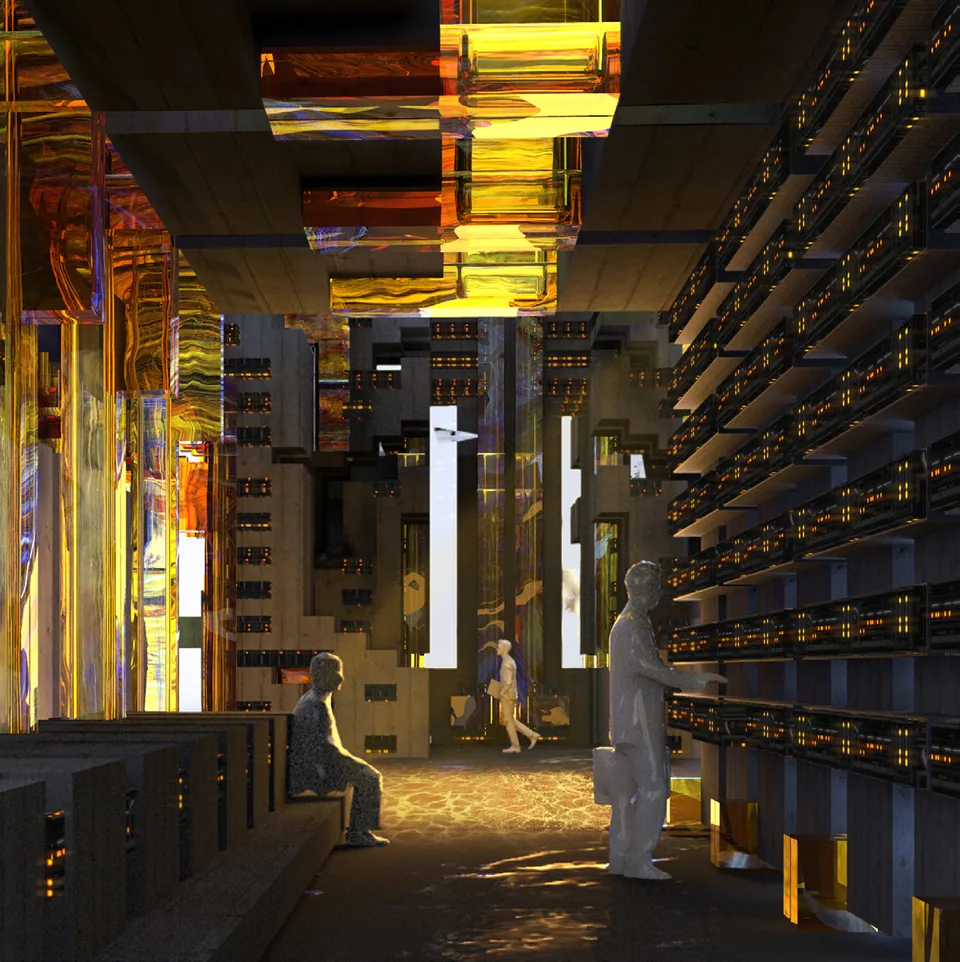
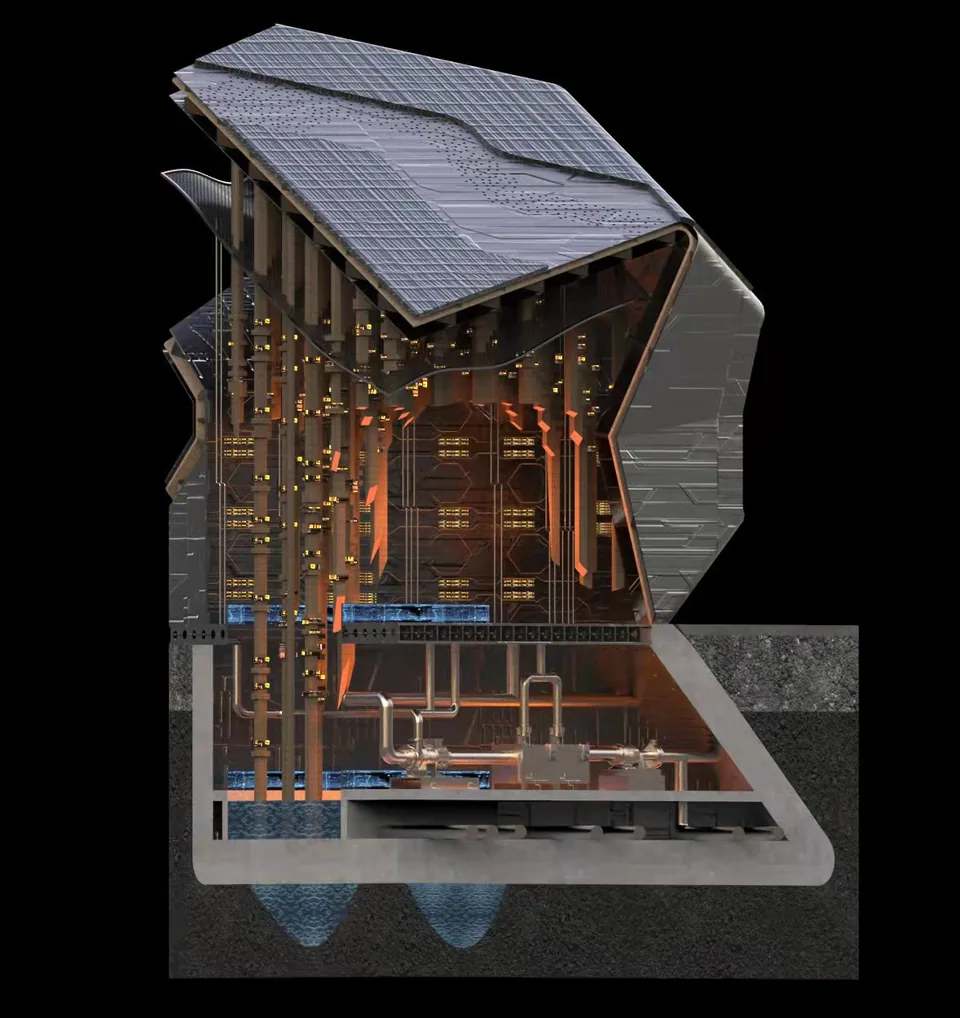
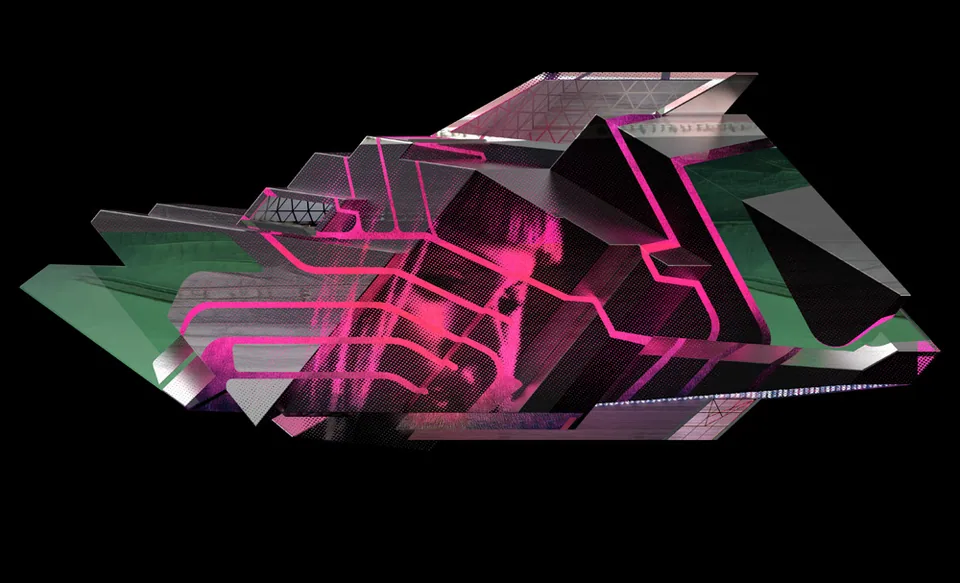
Weitzman School of Design University of Pennsylvania Core Graduate Design Studio Monolithic Machinic Hybrids ‘Monolithic, Machinic Hybrids --perceives architectural formation as part of a larger, self-organizing, adapting, material process. The studio will start with reconsidering the Cenotaph, being both “Monolithic” and ancient, these impressive vessels of void, as a generative point of departure to re-conceptualize a new type of artifice in relation to the typology of the Data Center. While engaging in the production of ontological architectural axioms through the generative capacities of algorithms, one focus will be the relationship between computation and machine learning. “To solve a problem on a computer, we need an algorithm. An algorithm is a sequence of instruction that is carried out to transform the input to output.--Machine learning, a type of artificial intelligence that enable computers to learn from large data sets is the basis of numerous developments from speech recognition to driverless cars.”
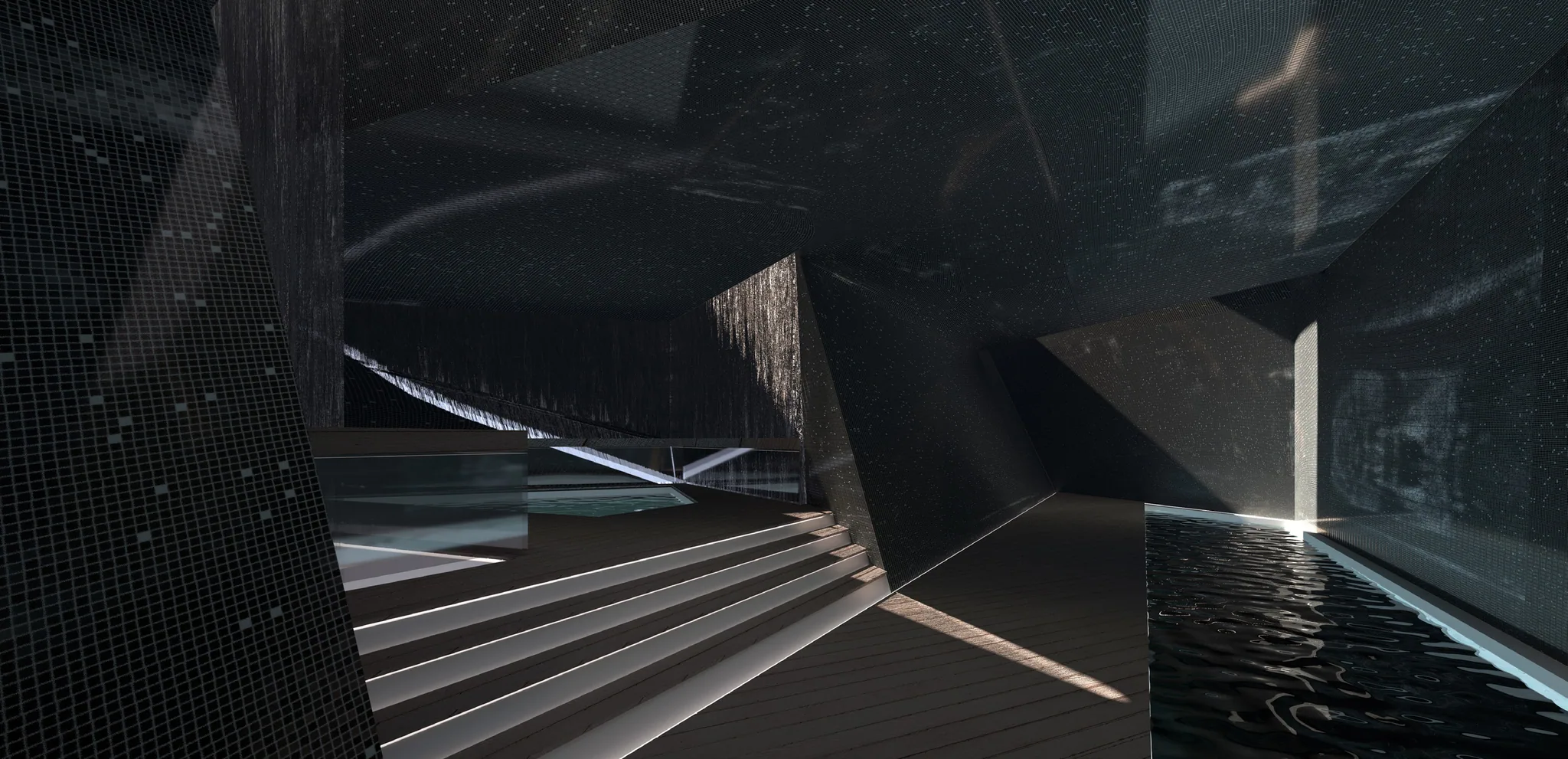
Conceptually, the Data Center and Museum will operative as a platform to explore post-human and machinic architectural space. Our speculative condition is that computation is not solely digital but omnipresent and that life is a state of information. Matter, is increasingly becoming indiscernible from media. A plethora of different scales of time, from the genetic to the geological, are in direct contact with our abstract predictive models, computational infrastructures and technical apparatuses. In our contemporary post-human context, our hybrid languages increase their potency of affection of the ‘real’ through acceleration. What is at stake then, beyond notions of mimicry of life and optimization of matter, is the search for a new type of poetry: a ‘logos’ inseparable from ‘becoming real’.