ARCH 501 STUDIO
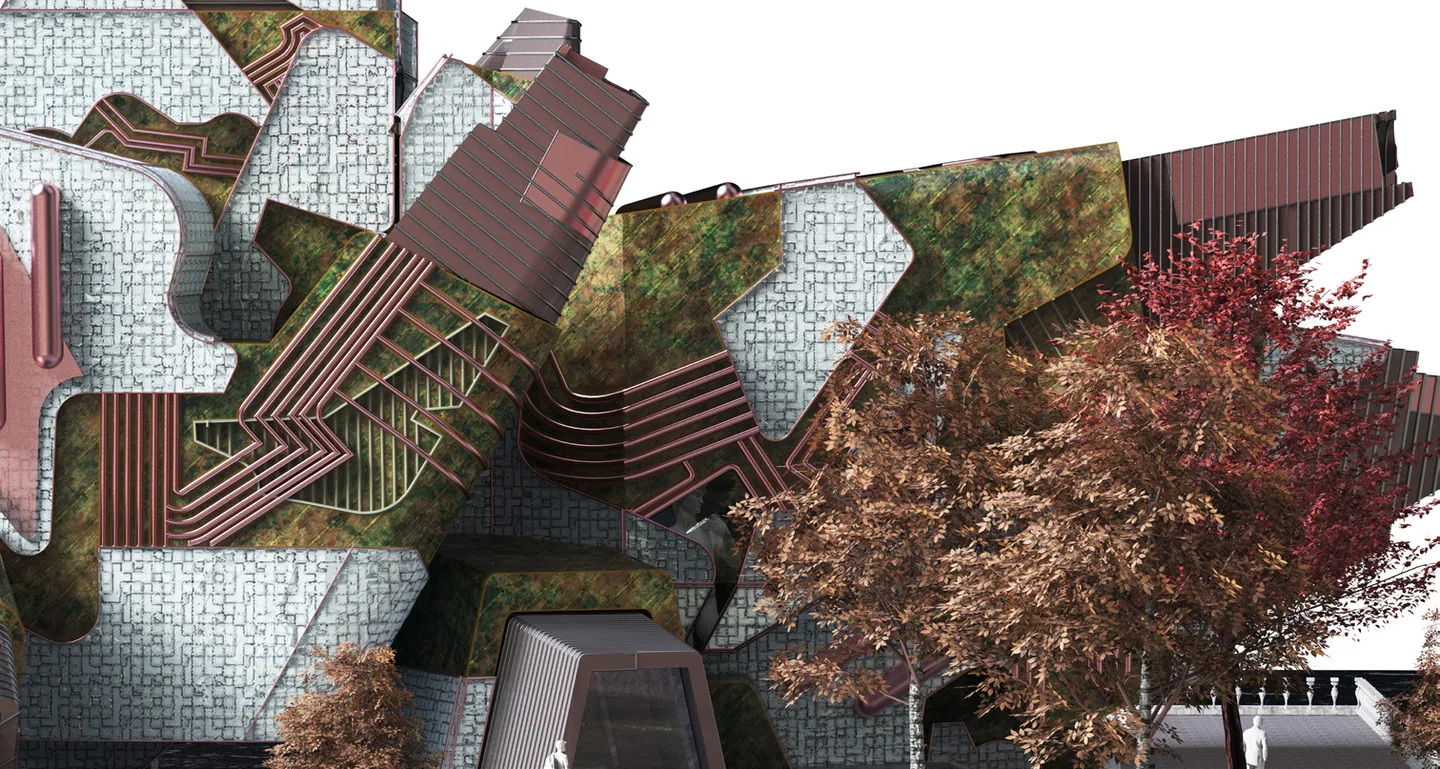
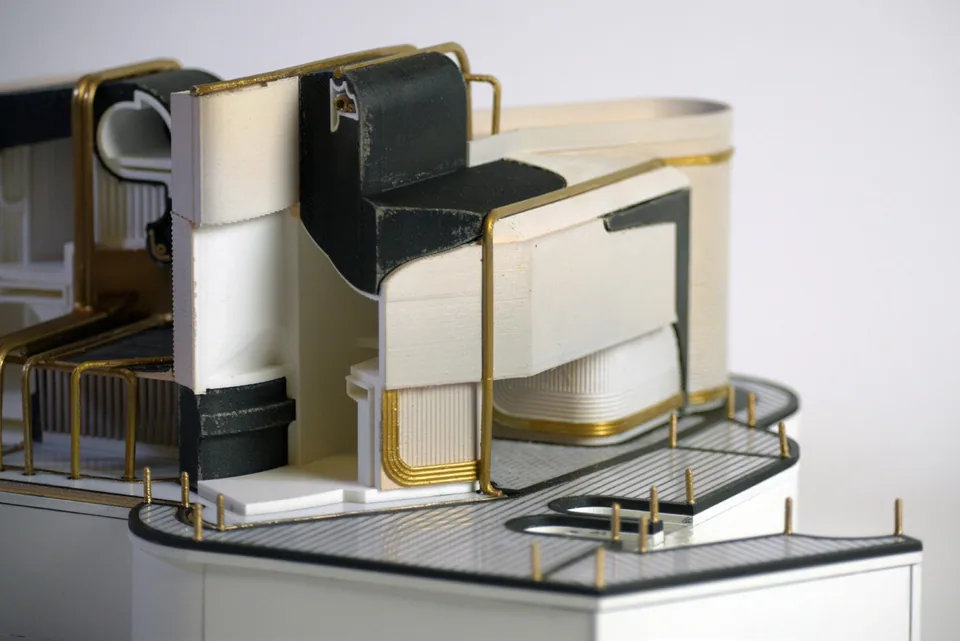
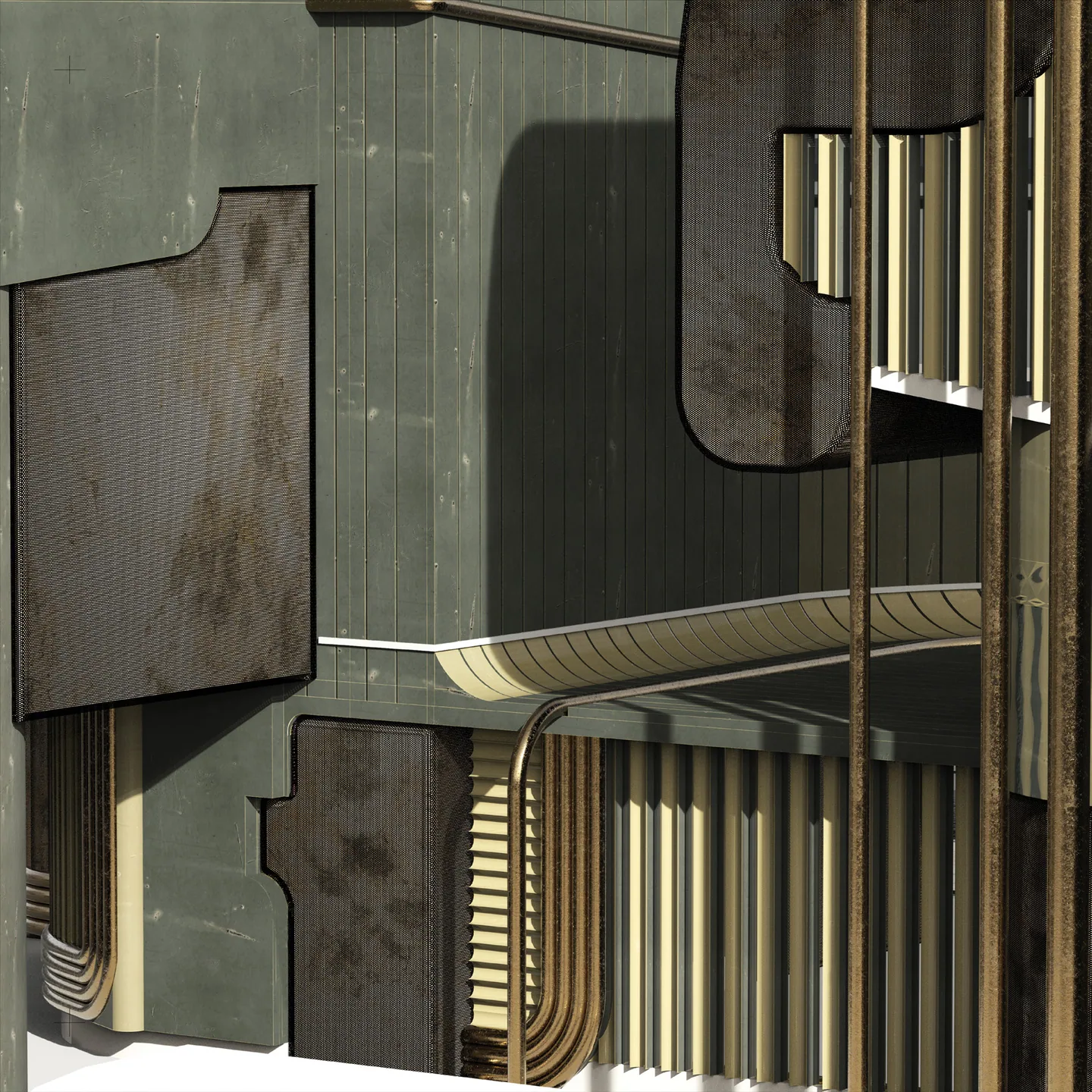
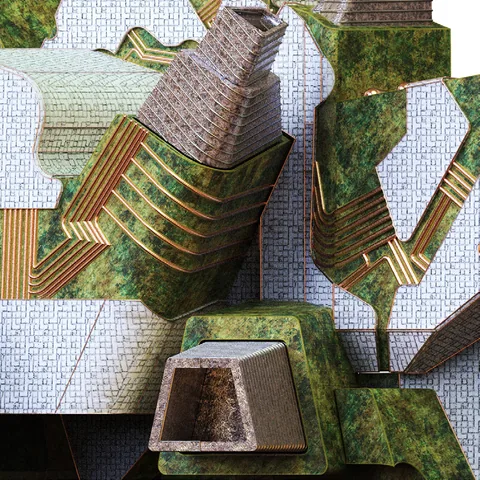
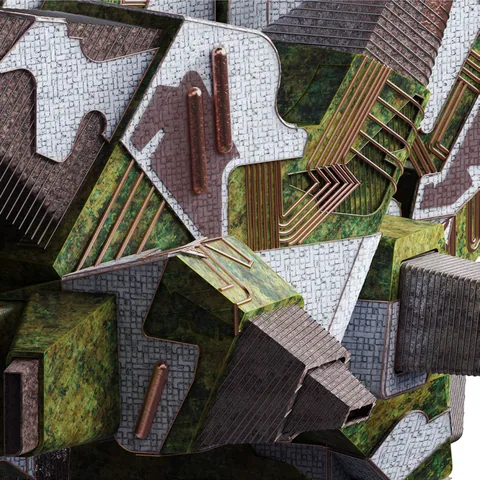
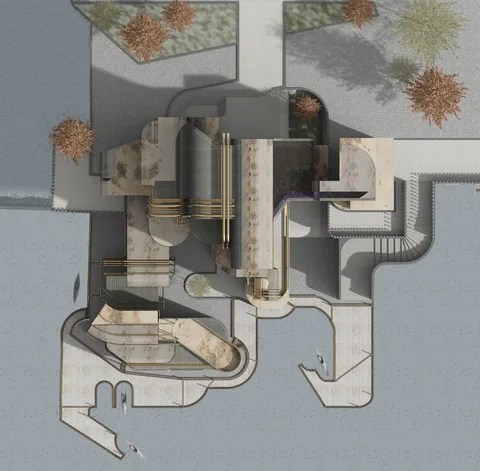
Hyperlapse Chambers, a first-year graduate studio on material properties, tectonics and precise notation, researching what the architectural detail can be once digital fabrication releases it from standardisation.
- Client
- UPenn Weitzman School of Design
- Year
- 2013-2025
- Location
- Philadelphia
- Role
- Instructor, Studio Coordinator from 2021
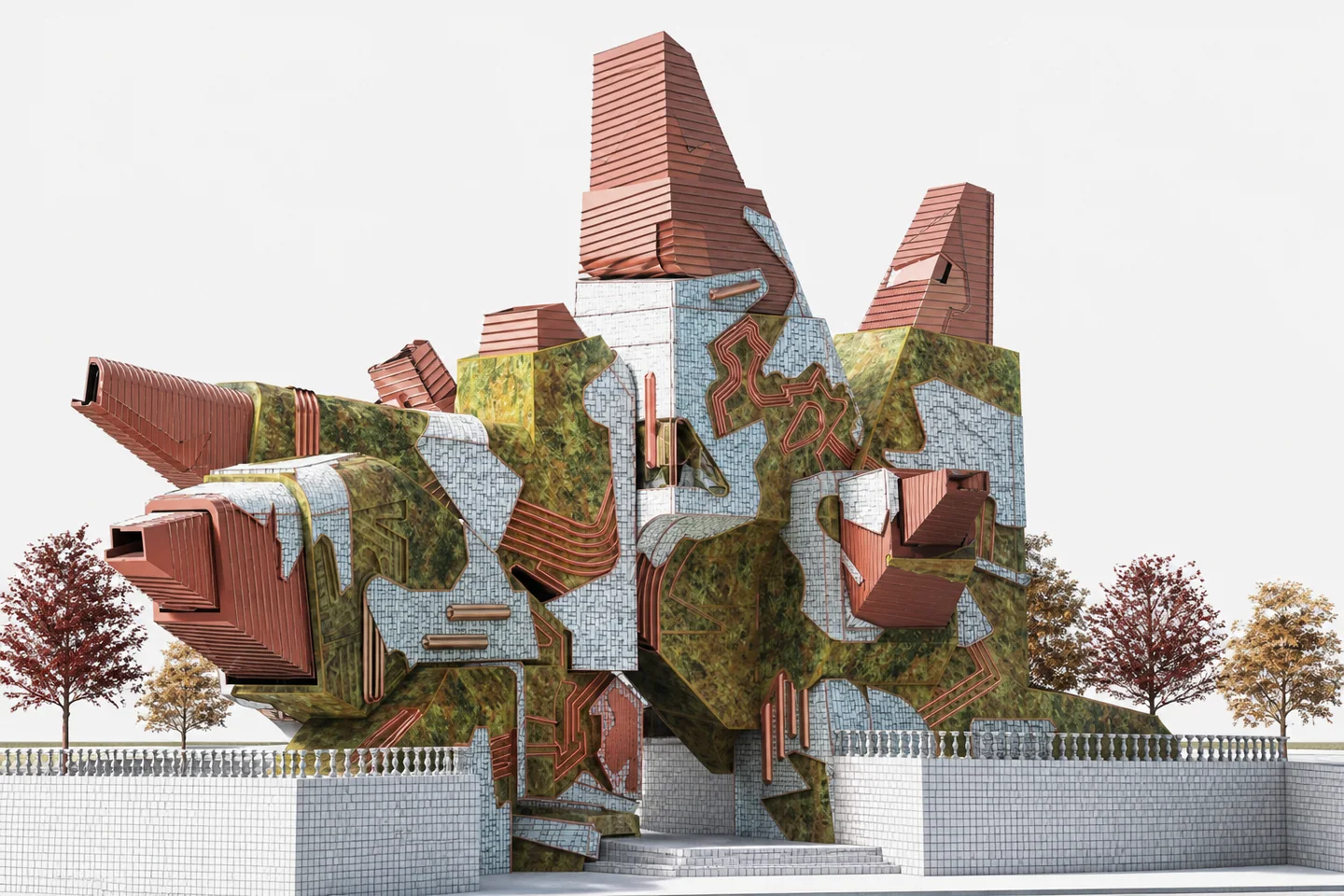
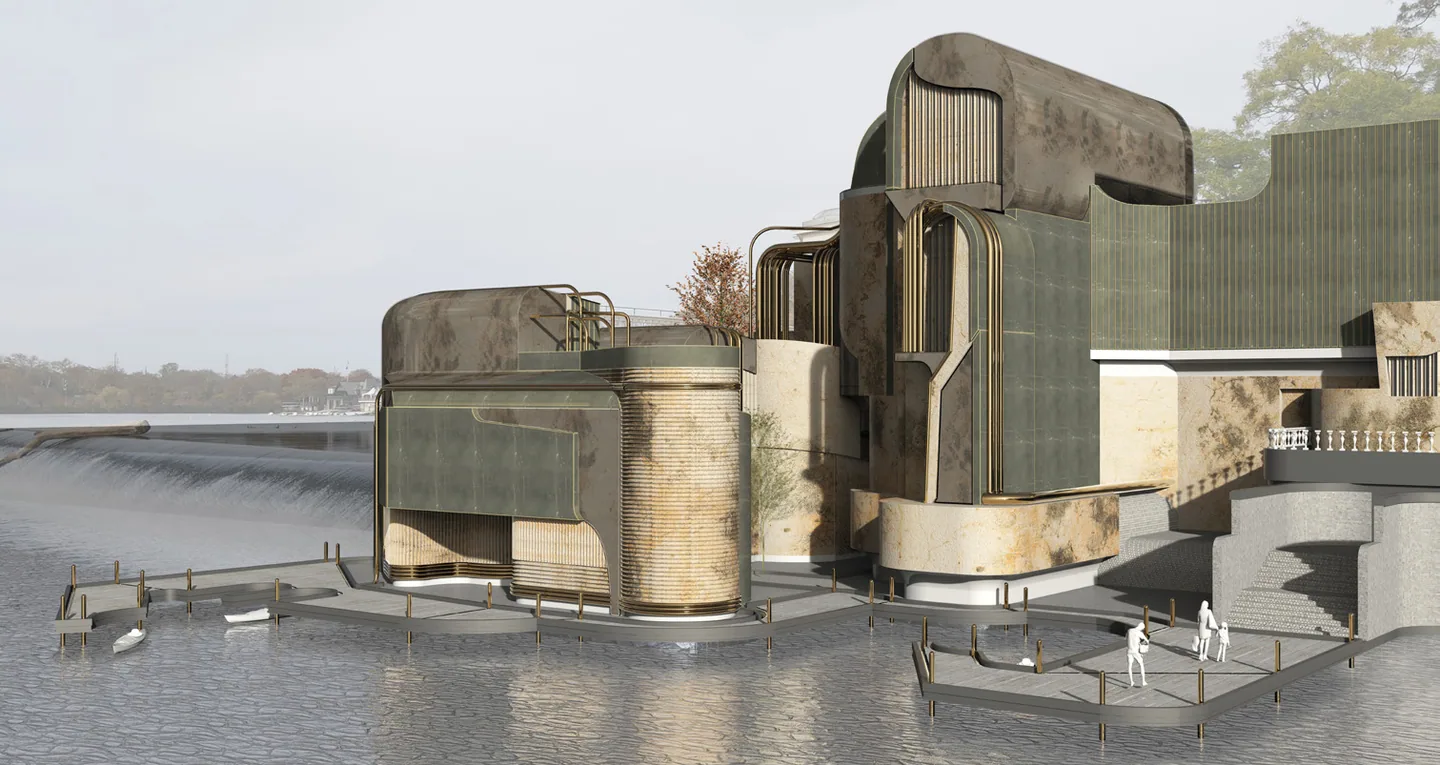
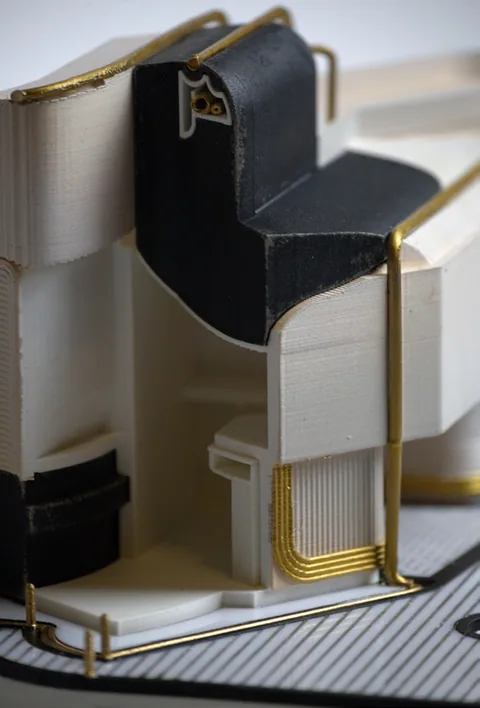
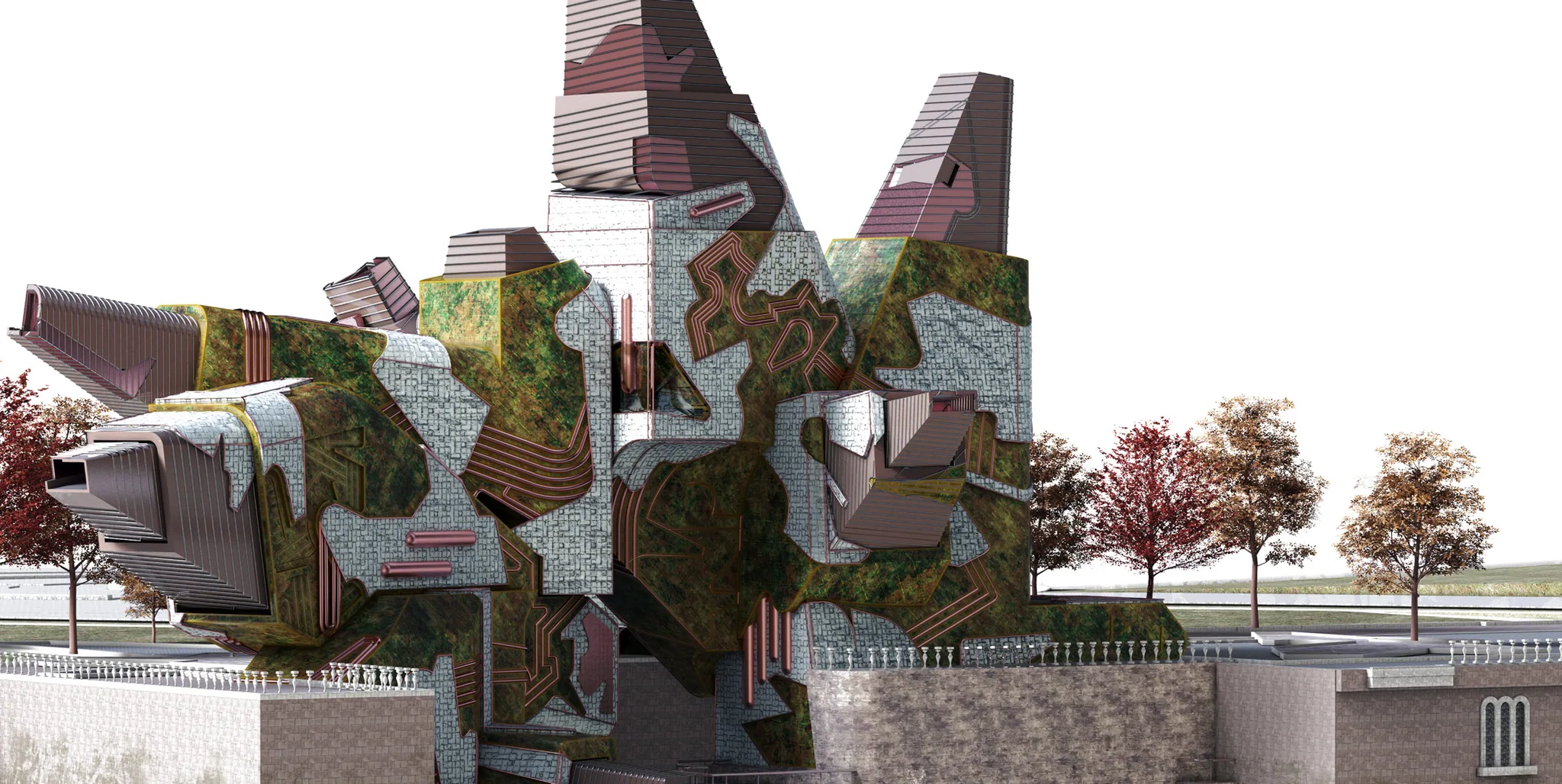
This design studio course is part of the core sequences with the Masters of Architecture Design Studios at the Weitzman School of Design. Pedagogically, this first year studio is structured to introduce students to critical methodologies of design necessary for the discourse and practice of architecture. In this first semester, a methodological framework will be introduced as a means to develop a set of fundamental and core elements of design for a professional architect. These core elements of design will include developing a primary knowledge of material properties, tectonics, geometric craft and precise drawing notation.
This will be the foundation for the production of architectural space, form and critical meaning with the highest level of excellence. The Weitzman School of Design believes in the importance of design research as a practical and conceptual tool that prepares our students for how architecture will evolve over the next 25 years. We believe that architecture will progress in a manner that critically evaluates and redefines materiality, tectonics and fabrication, components and part to whole relationships, nonlinear feedback and in general architectural language.
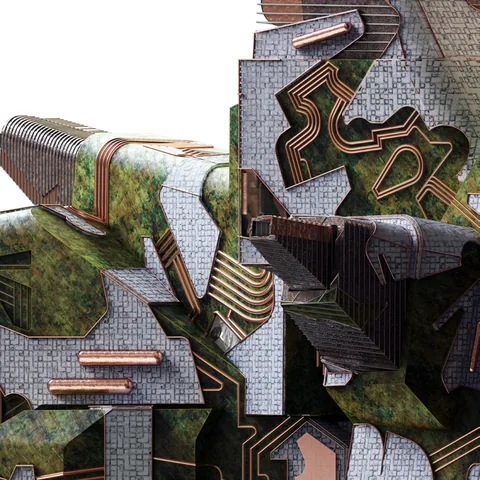
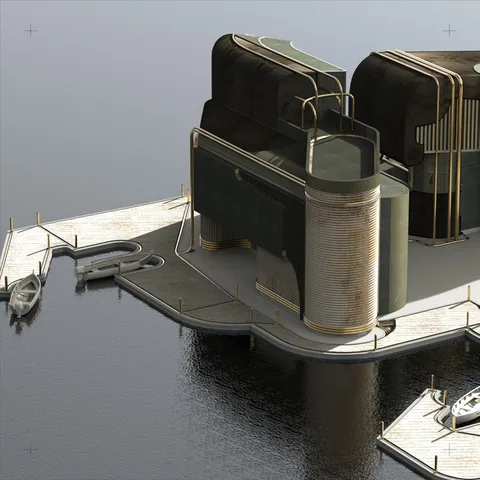
The 501 studio titled ‘Hyperlapse’ will introduce and research digital techniques of design and fabrication for the production of architectural details and tectonics. Our discipline has a long and rich history of architectural details that are crafted in close relationships to technology, art, science, material and structural innovations. Architecture as a profession adopted standardized details in the 20th century in response to social, economic and fabrication constraints. Currently within the contemporary design paradigm, digital fabrication has opened up a fertile space to experiment, explore and conceptually redefine the role of the detail beyond standardization.