TALLINN ARCHITECTURE BIENNALE
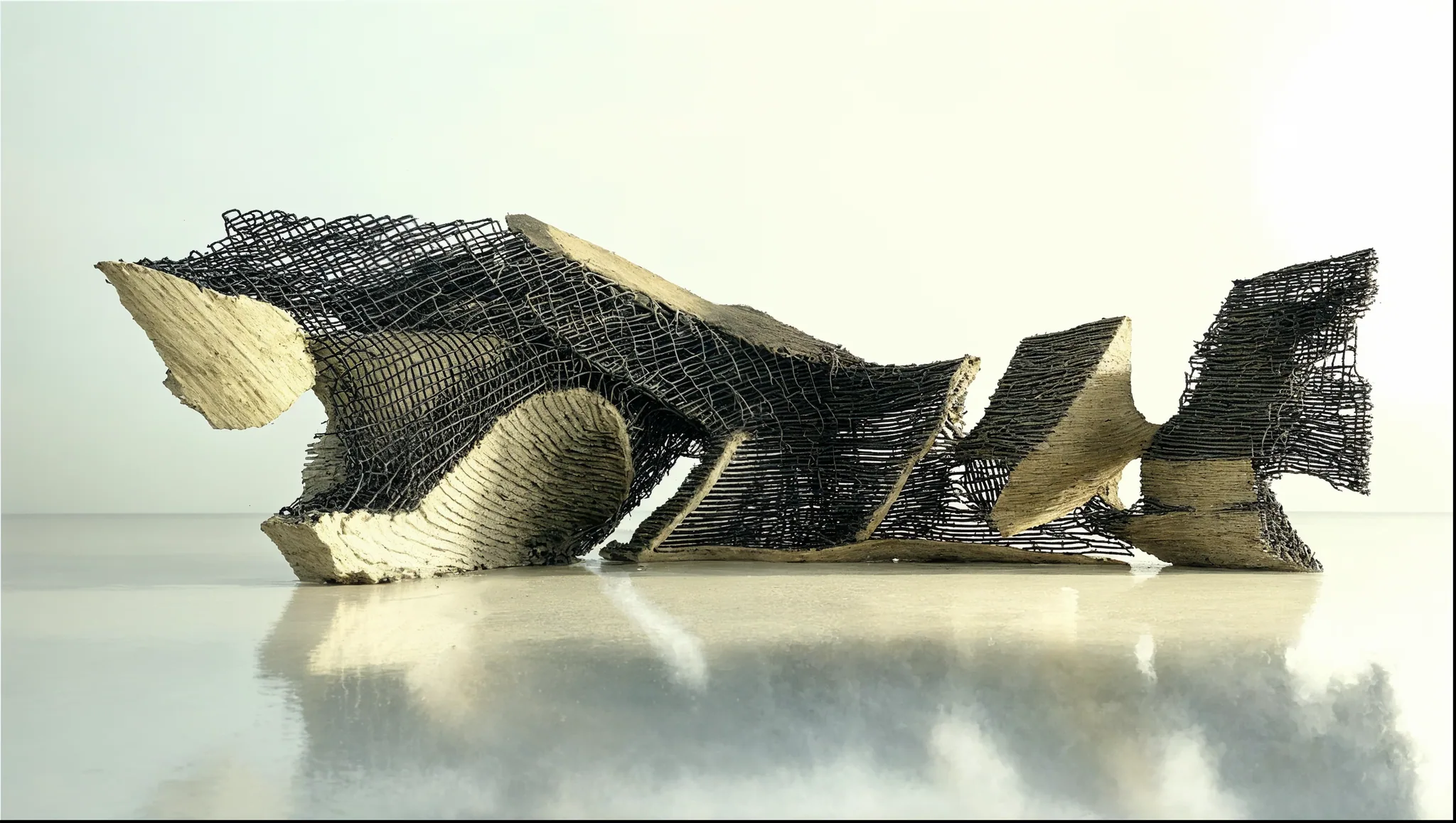
A competition proposal pairing a tiny artist studio with a public garden, built as a robotically 3D-printed flax and hempcrete scaffold for the garden to grow into. Shortlisted for the biennale's installation programme.
- Client
- Tallinn Architecture Biennale
- Year
- 2022
- Location
- Tallinn, Estonia
- Role
- Principal, Maeta Design
- With
- Ezio Blasetti
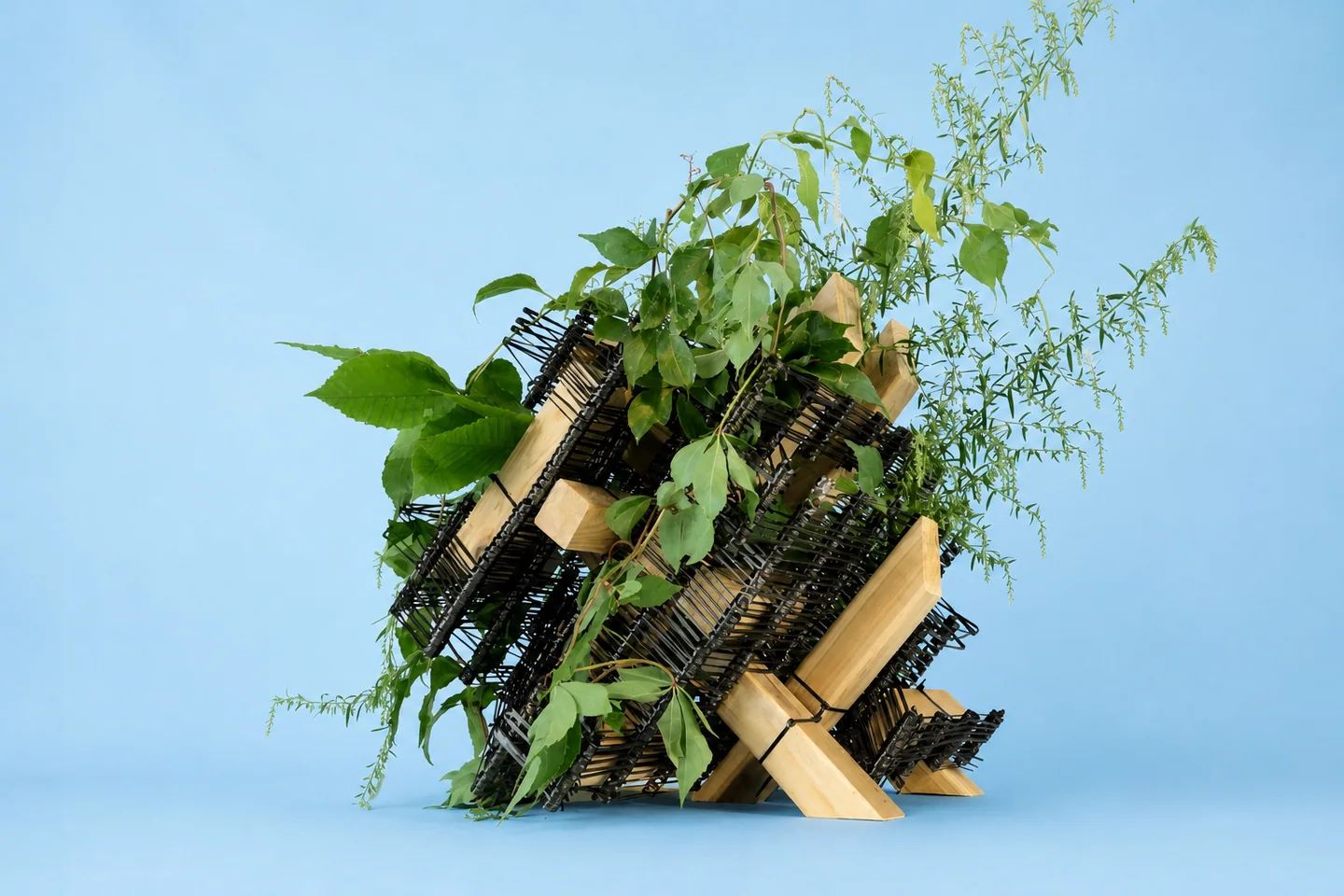
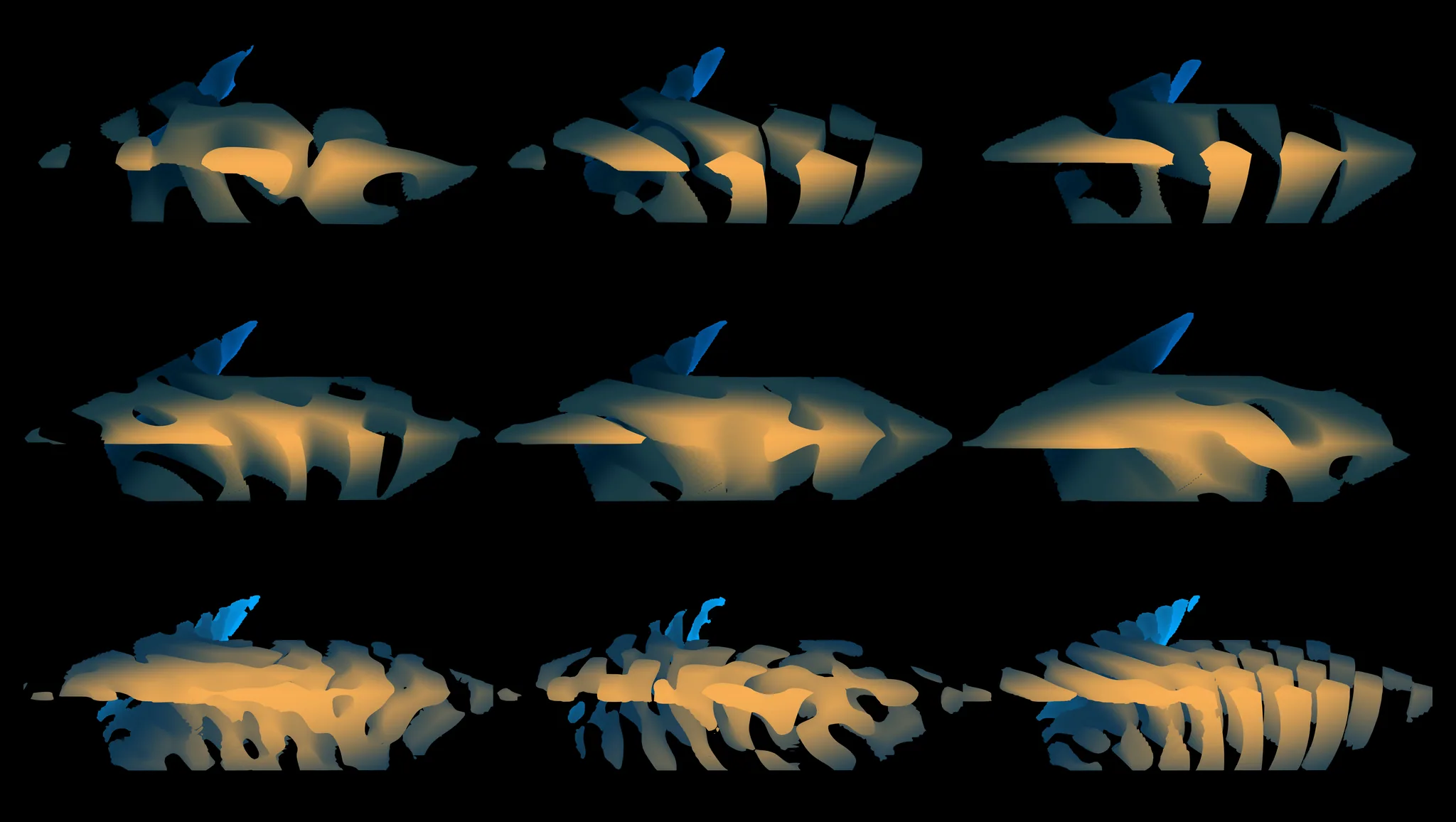
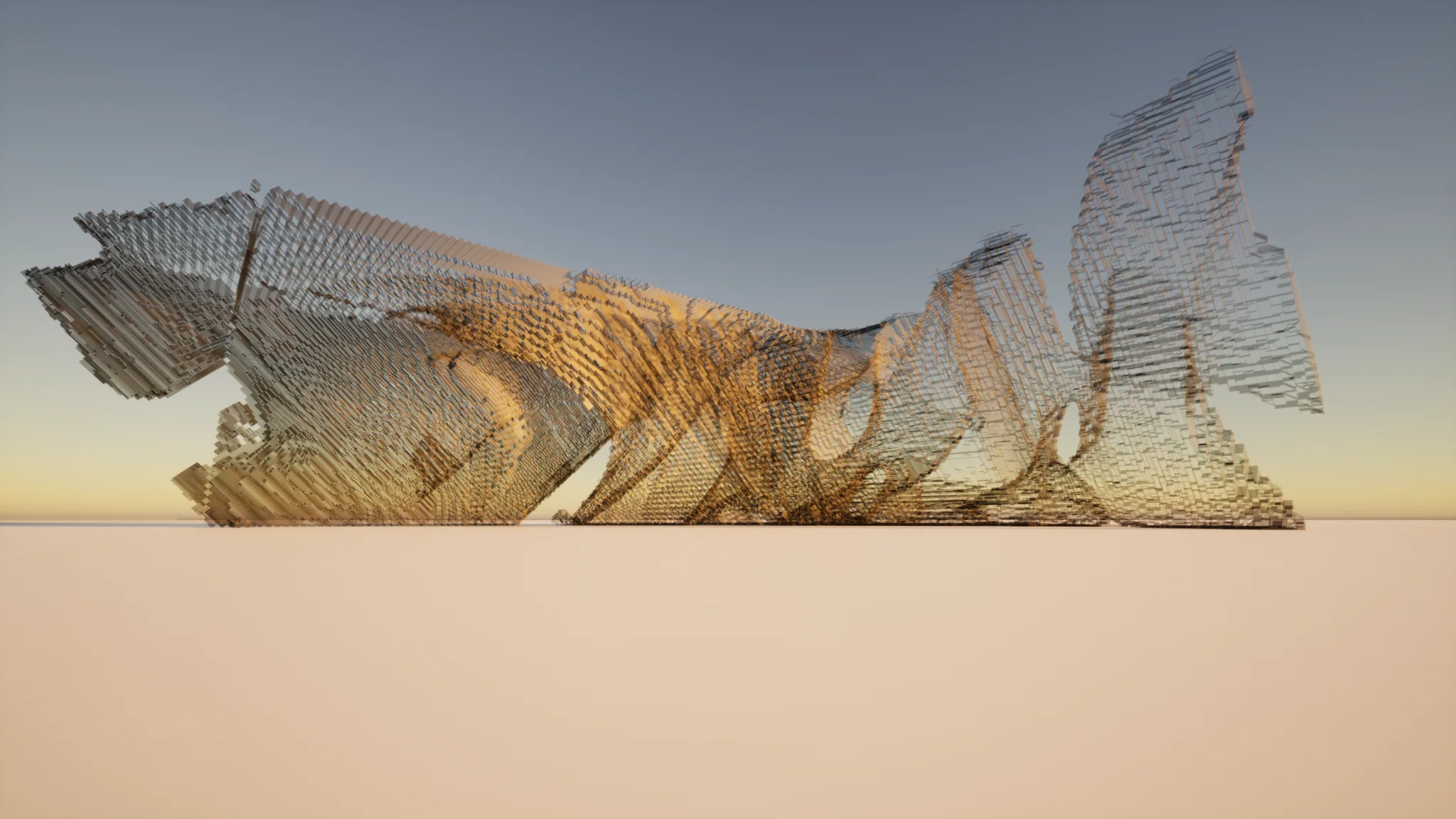
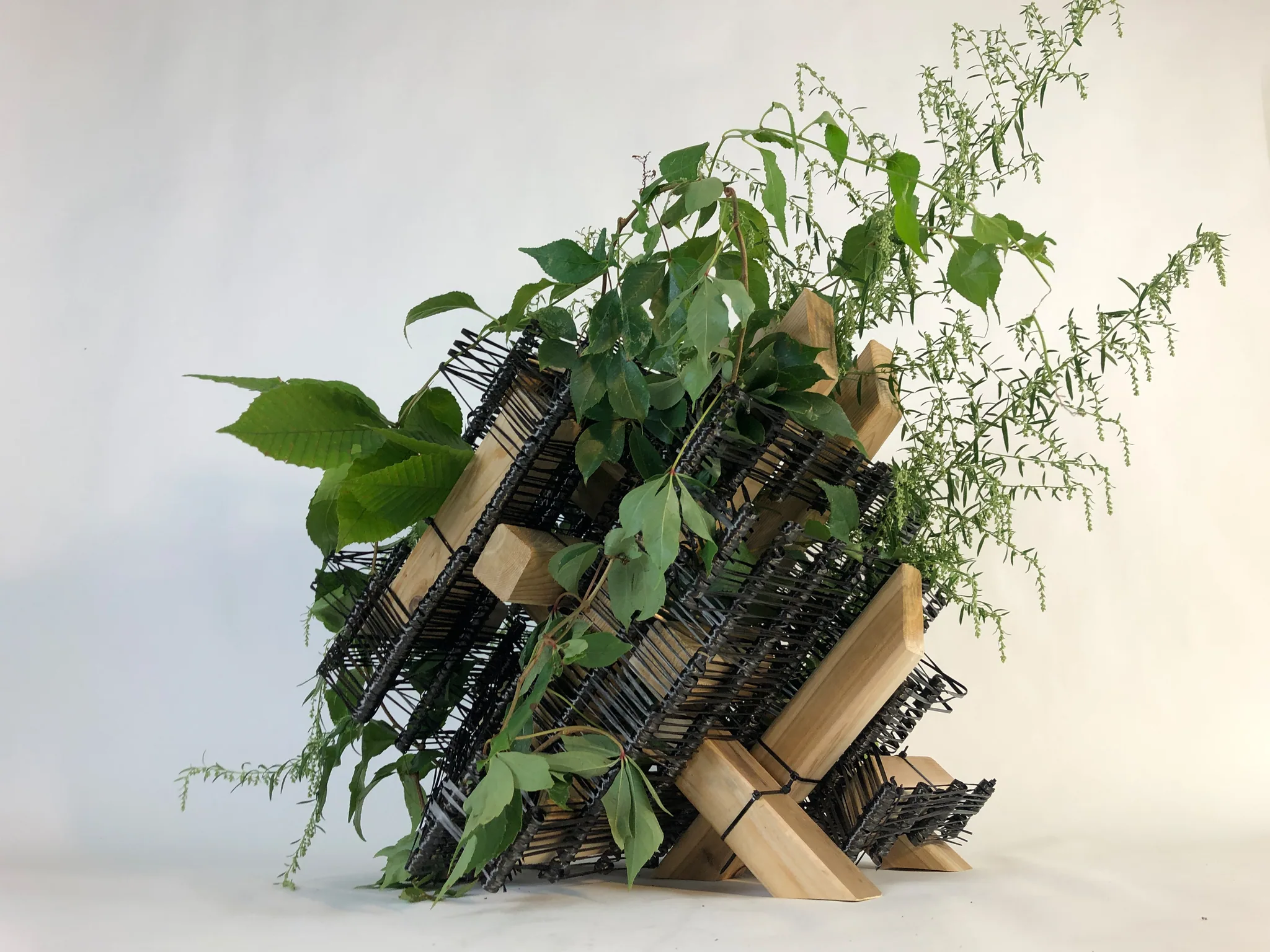
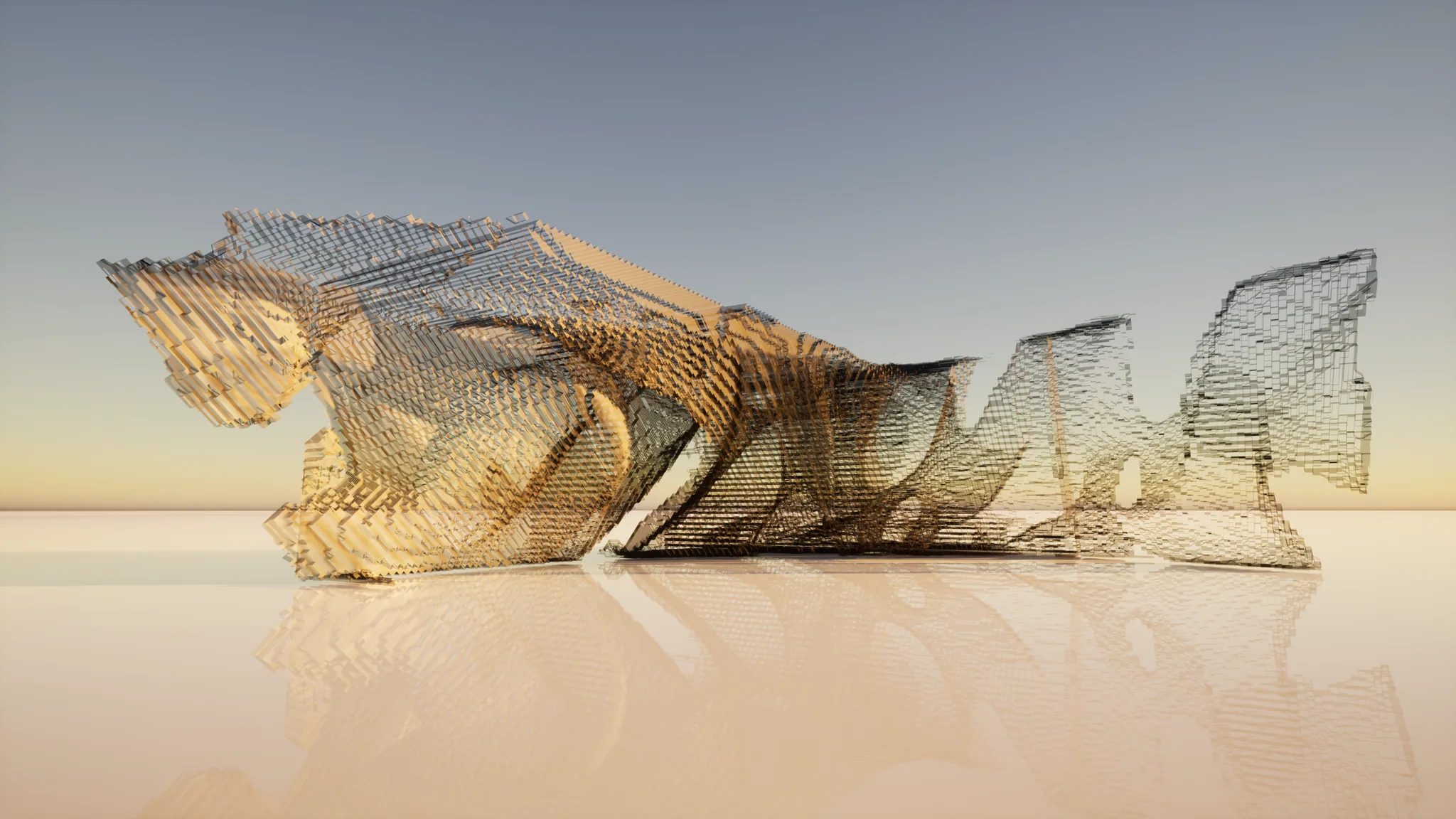
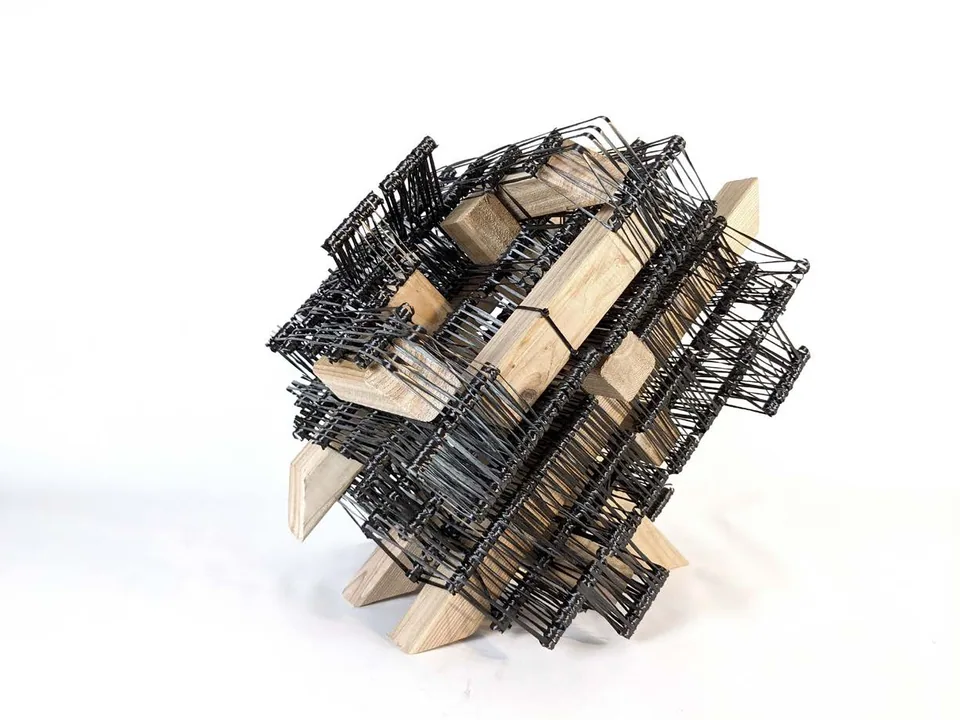
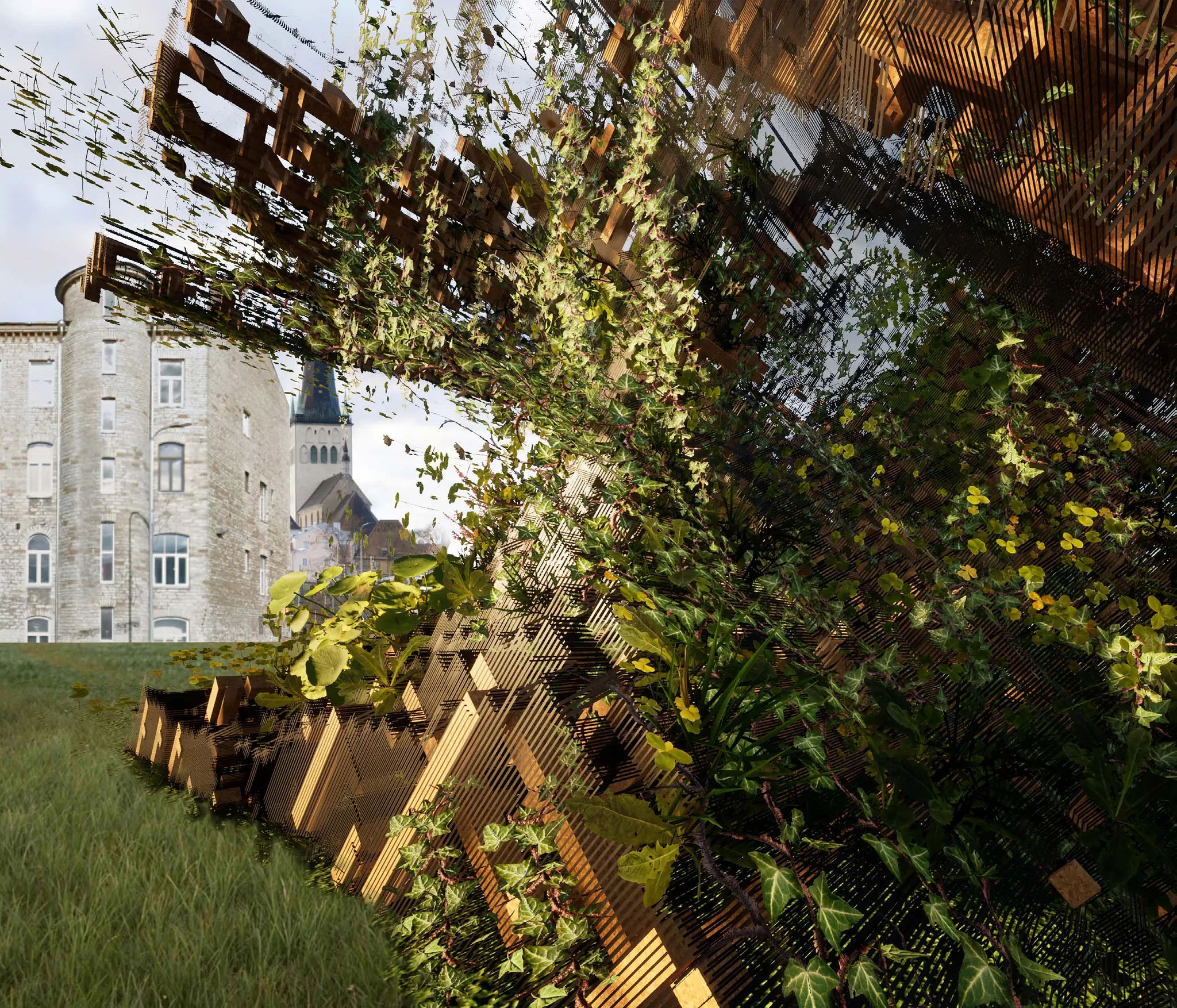
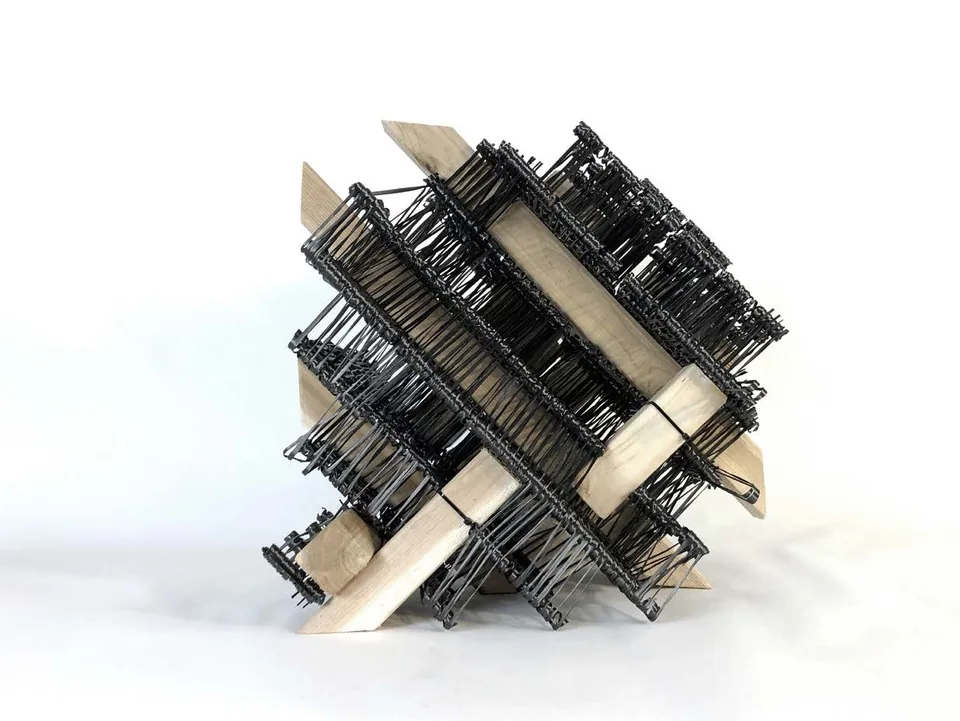
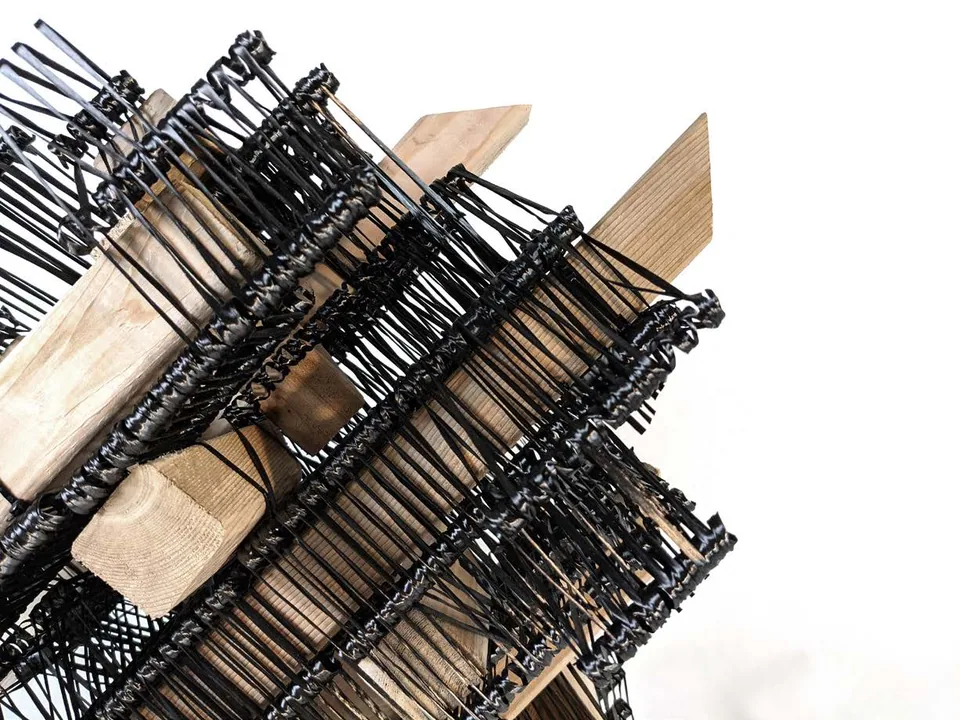
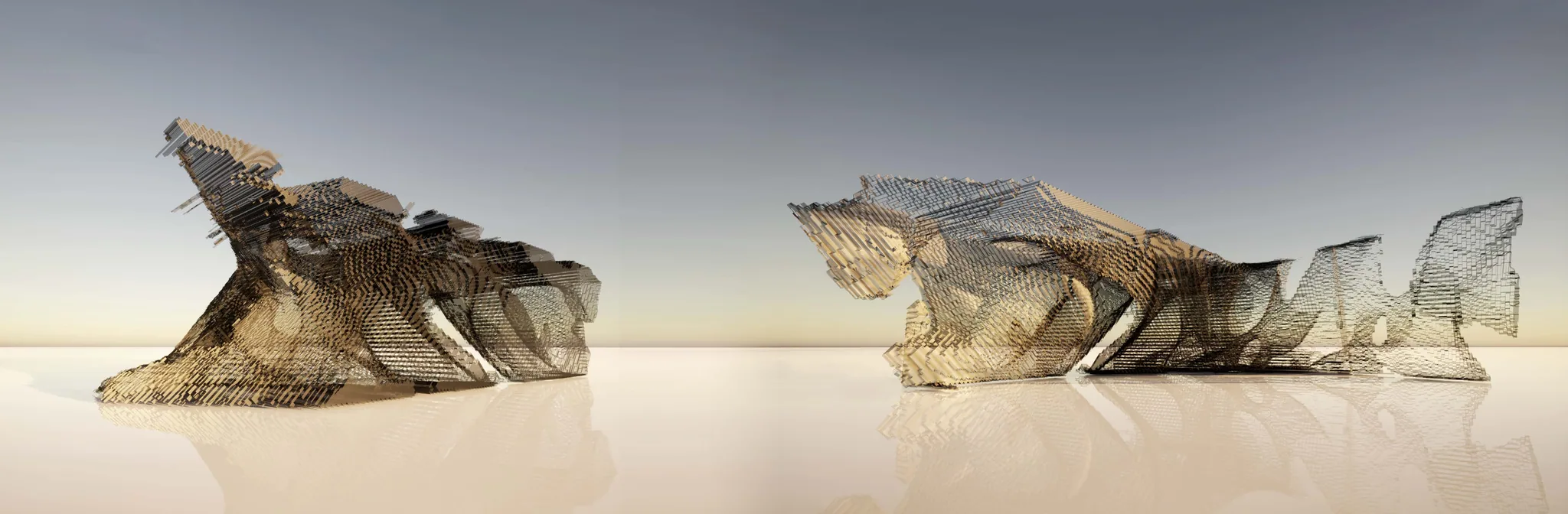
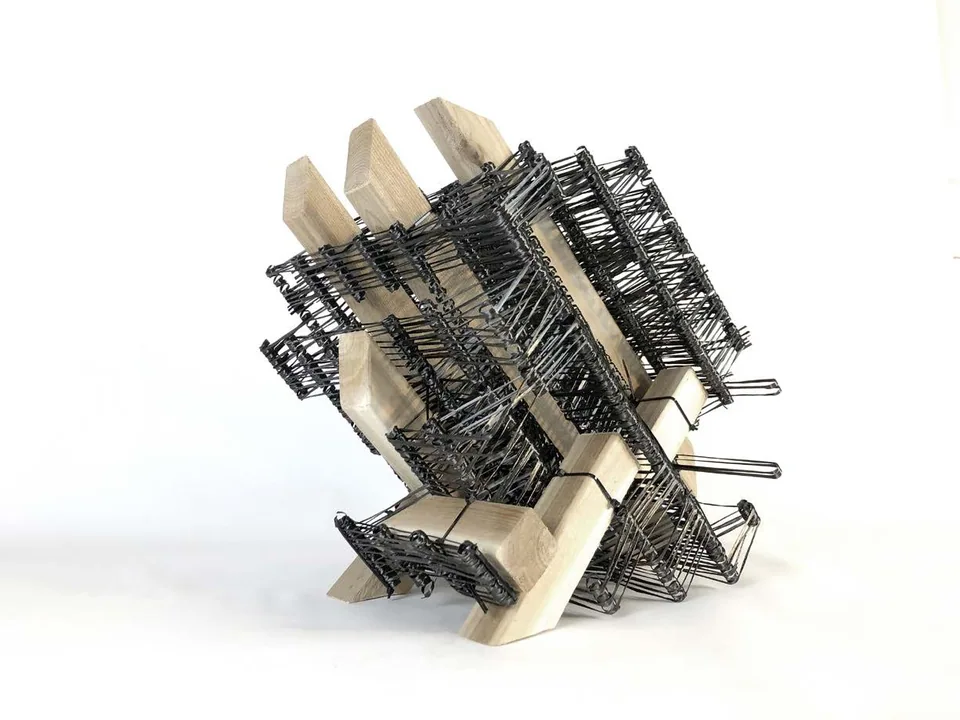
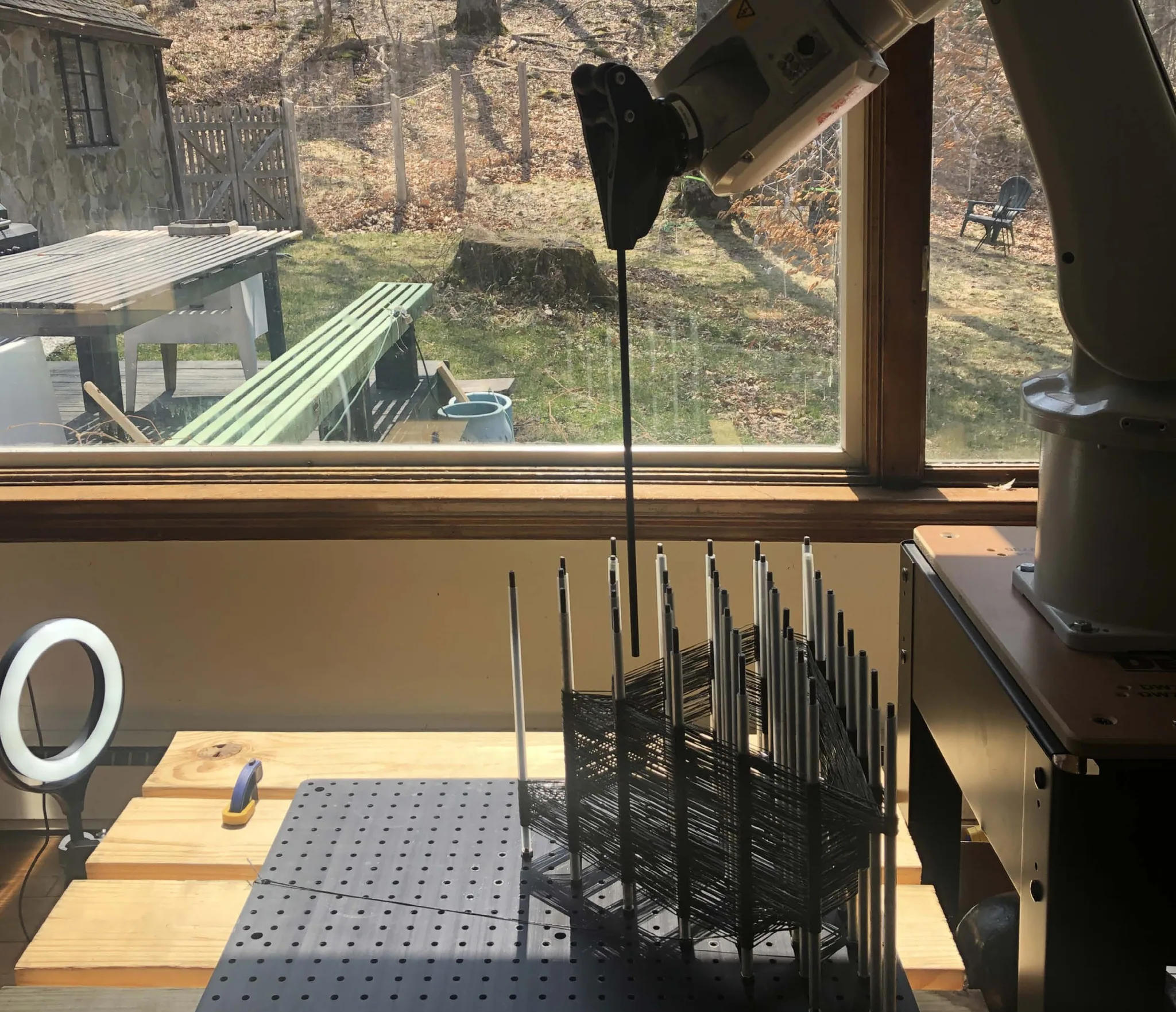
dekt.io Tallinn Architecture Biennale 2022 - Installation Competition Finalist As a response to the competition's brief, we propose a hybrid program between a 'tiny' Artist Studio and a Public Garden. The proposal attempts to create a multifunctional space that can invite the public to a series of events over the course of the two years (2022-2024), as well as to invite a small group of artists to occupy the pavilion in the form of short 'residencies'. The project will manifest as a lightweight endoskeleton providing envelope and support for the growth of an organic structural and ephemeral system. This semi-structural biocomposite scaffold (Robotic 3D Printing of Continuous Flax Fibre + Hempcrete) will support the internal growth of the garden: synthetic environments of high definition.
Our proposal explores heterotopic aspects of architectural space in an attempt to displace its inherent anthropocentric conceptual bias. Historically, the space of the Garden is a hybrid gradient of public and private, a territorial buffer that interfaces with the commons and the environment. The Garden acts as a design space for the care, metabolism and aesthetics of a variety of species with various degrees of domestication. The project operates under the conceptual framework for space as a form-of-life itself: Open and adaptive to change over time, the Garden is an archetypal diagram of a network open to ecological, cultural and economic feedback mechanisms.
The design of the proposal builds upon the research of our studio in robotically prefabricated biocomposite modular elements with embedded micro-processors. The modularity of the proposal will allow for multiple variations and the partial reconfigurability of the pavilion, as well as its final disassembly. The building parts can have a second life after 2024 as small assemblies that continue to support their plant life. Over time the two systems - organic and inorganic – will merge into a single ecology. Fibrous structures, complex nets with embedded processors and positioned in larger assemblies, will attempt to map spatial and temporal patterns and speculate on the computational infrastructure that would allow for real-time sensing and processing of the data of the Garden
Credits
shortlisted to second stage
Ezio Blasetti, Danielle Willems